Presence Is Not Belonging
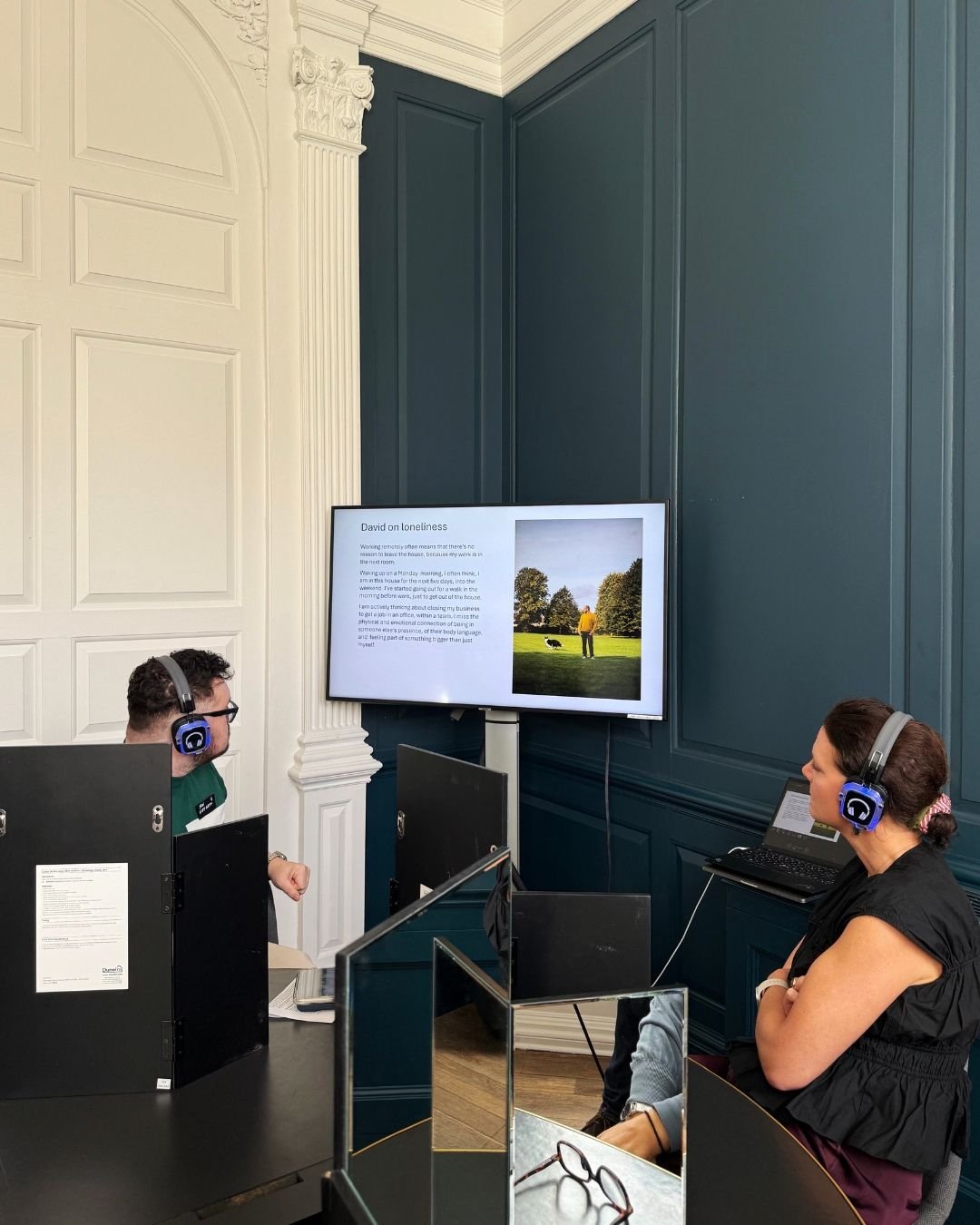
We often talk about loneliness at work as if it is about missing close friendships or a work bestie. But that is not quite what is happening.
Research from Marmalade Trust, including national surveys conducted with Ipsos, shows just how widespread loneliness is and how rarely people talk about it. Most adults who have experienced loneliness have never told anyone they feel that way.
Alongside this, psychologists distinguish between different kinds of loneliness. Not just intimate loneliness, meaning a lack of close emotional relationships, but also relational and collective loneliness. The feeling of not being connected to a wider group or community.
I am a member of a David Lloyd gym five minutes from my house. On paper, it is perfect. I can work out, grab a meal, take my kid to swimming lessons or soft play, and even get a productive day of work done. I recognise people. I exchange hellos. I am there regularly.
And yet, after a year of membership, there is no real sense of belonging. Not for me anyway, and I actively seek connection.
It shows that access, amenities, and familiarity do not automatically create community. They create convenience. They create usage. But not necessarily belonging. I see the same pattern in flex.
Spaces full of people, movement, and energy, and still a quiet sense of disconnection. Members passing each other in shared spaces without really feeling part of the same thing.
It is not whether flexible workspace is social enough. It is whether connection is being intentionally designed.
In my experience, the coworking spaces that work best do not rely on chance encounters alone. They create structure and rhythm. Shared moments. Clear ways to participate. Opportunities to contribute, not just attend.
If connection matters, and I think it does, then the real question for operators is this: What is missing between people being present and people feeling part of something?
